Series · 03 · Free to read · 26 volumes

The Abolition Classics

The arguments against killing are older than the country doing it.

A growing library of classic death penalty texts — trial speeches, treatises, and testimony — edited and modernized for contemporary readers.

Every volume is free to read and download. No account, no paywall, no cost.

The Index

Origins

250 BCE – 1631 · 3 volumes

The Enlightenment

1760 – 1799 · 4 volumes

The Age of Reform

1800 – 1875 · 12 volumes

The Modern Era

1876 – 1926 · 7 volumes

By era

By topic

26 of 26 volumes shown

250 BCE – 1631 · 3 volumes

Origins

The oldest surviving arguments against killing — philosophy, scripture, and early dissent.

The Apology cover

The Abolition Classics · V. I

The Apology

Socrates

As related by Plato

Edited and modernized by Jeff Hood

The oldest surviving record of a man speaking in his own defense while the state decides whether to kill him. Socrates is charged, tried, and condemned by a jury of his own city — and he refuses to beg.

Edited and modernized for contemporary readers, The Apology opens The Abolition Classics: a free library of the texts that have shaped how the West thinks about the death penalty.

Before Abolitionism cover

The Abolition Classics · V. 0

Before Abolitionism

Various

Arguments Against Death, 250 BCE to 1631 — From Ashoka to Spee

Edited and modernized by Jeff Hood

The story always starts in 1764 with Beccaria. It does not start there. For nineteen centuries before On Crimes and Punishments, voices across the world filed the same complaint against the scaffold — Jain monks, a Buddhist emperor, a rabbi in Roman Palestine, a bishop in North Africa, a pope, a Czech farmer, the Lord Chancellor of England, a schoolteacher in Basel, a Jesuit who walked women to the stake.

None of them knew about each other in any way that mattered. Every one of them had to start over. This is not a lineage — it is eight voices across nineteen centuries arriving at some portion of the same conclusion from directions that never touched.

Edited and modernized by Jeff Hood, Before Abolitionism gathers the earliest surviving arguments against the death penalty into a single volume — the prelude to The Abolition Classics, and proof that the case against killing is older than the country doing it.

On the Sacred Animal cover

The Abolition Classics · V. II

On the Sacred Animal

Lactantius

Divine Institutes, Book VI, Chapter 20

Edited and modernized by Jeff Hood

Writing in the fourth century, Lactantius argued that a Christian may never take part in killing — not in war, not in the arena, and not by accusation before a judge who holds the power of death.

One of the earliest and most uncompromising abolitionist arguments ever written, edited and modernized here for wide readership.

1760 – 1799 · 4 volumes

The Enlightenment

Reason turned against the scaffold, and abolition became a political argument.

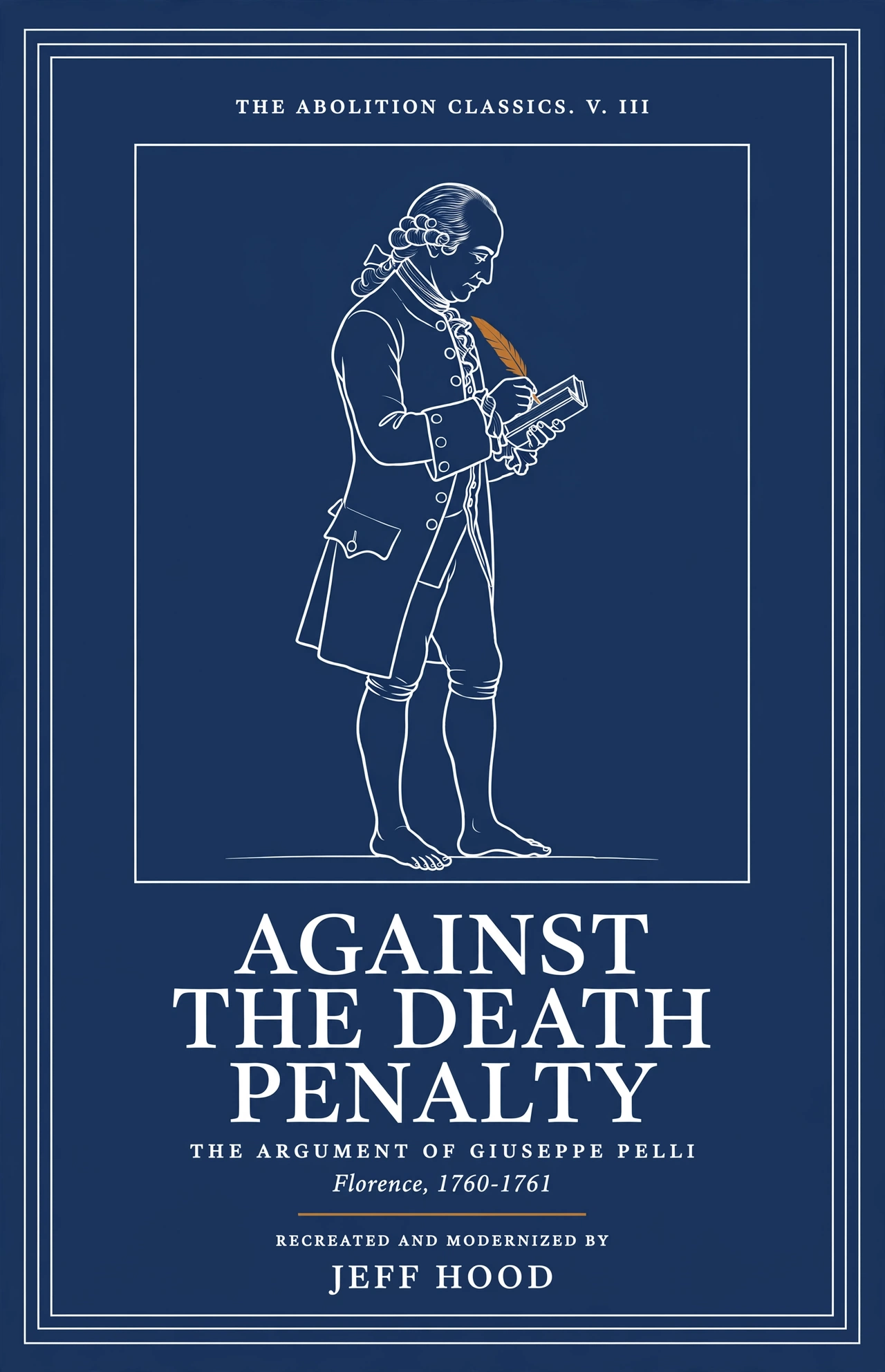
Against the Death Penalty cover

The Abolition Classics · V. III

Against the Death Penalty

Giuseppe Pelli

Florence, 1760–1761

Edited and modernized by Jeff Hood

Years before Beccaria's famous treatise, a young Florentine named Giuseppe Pelli wrote the first sustained modern argument for abolishing the death penalty — and then left it unpublished.

Recreated and modernized for contemporary readers, Against the Death Penalty restores the earliest full case against capital punishment to the abolitionist canon.

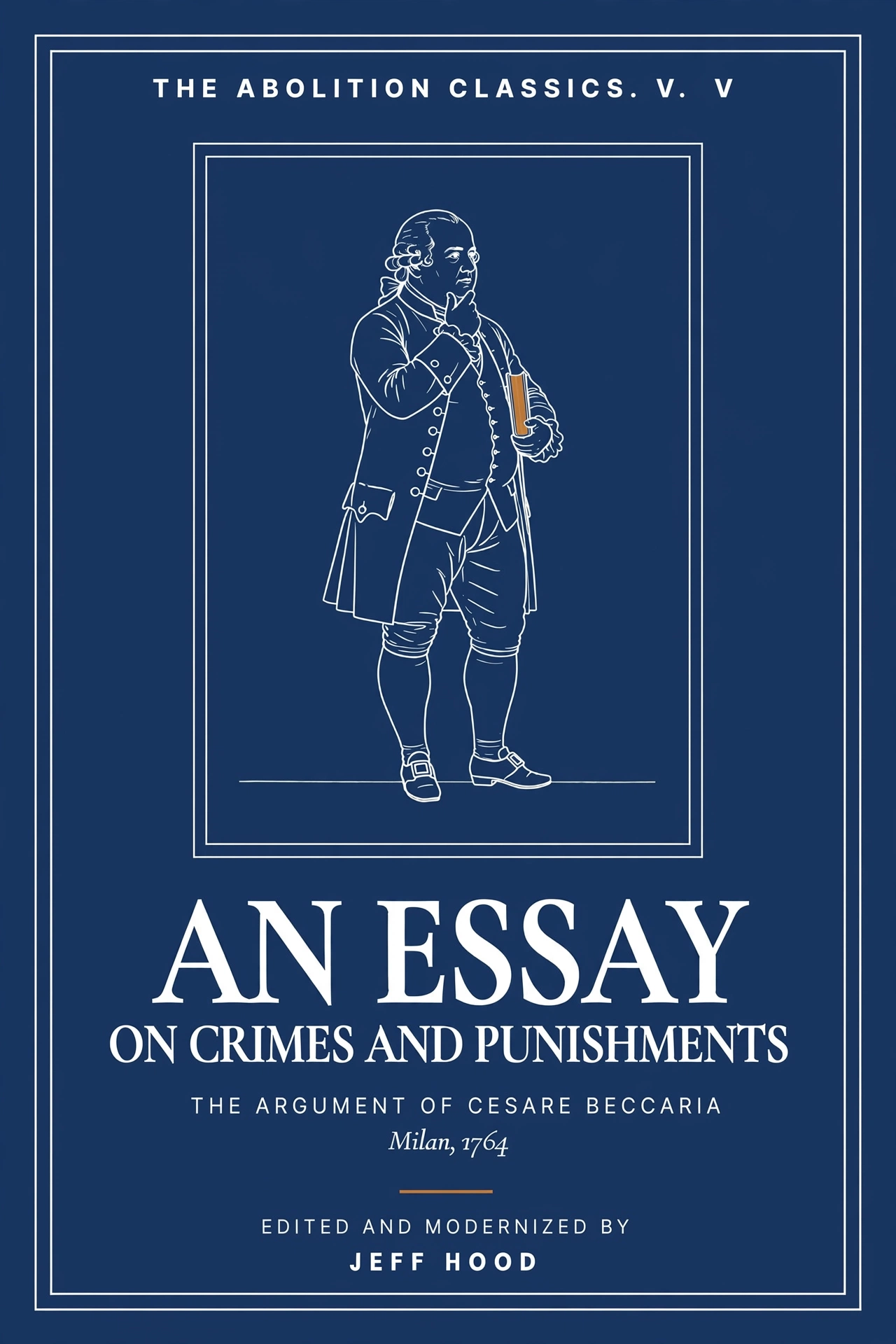
An Essay on Crimes and Punishments cover

The Abolition Classics · V. V

An Essay on Crimes and Punishments

Cesare Beccaria

Milan, 1764

Edited and modernized by Jeff Hood

Published anonymously in 1764, Beccaria's Essay became the most influential argument against the death penalty ever written — and the book that launched the modern movement to abolish it across Europe and the Americas.

Edited and modernized for contemporary readers, An Essay on Crimes and Punishments returns the founding text of abolitionist thought to the public, free to read and download.

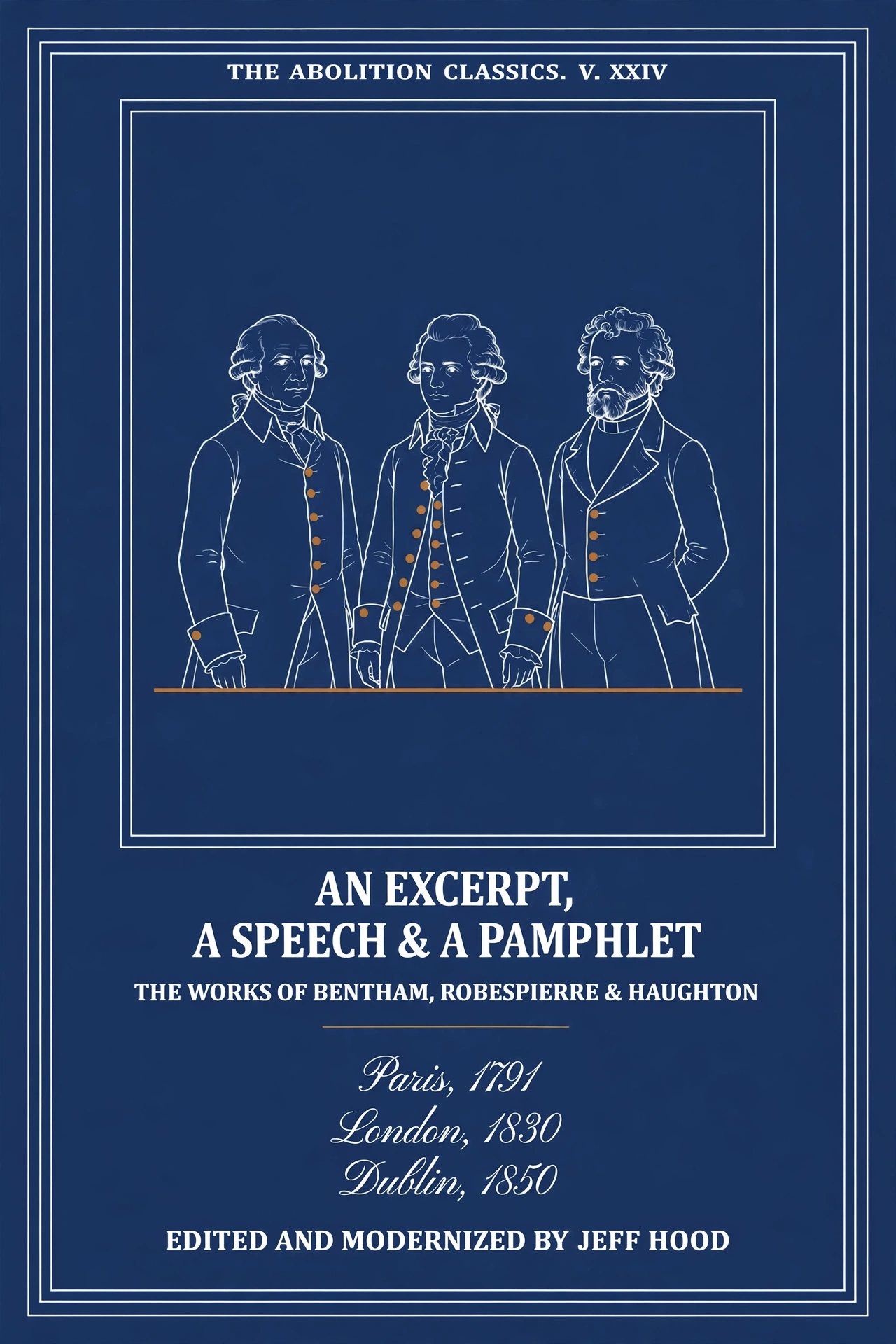
An Excerpt, a Speech & a Pamphlet cover

The Abolition Classics · V. XXIV

An Excerpt, a Speech & a Pamphlet

Jeremy Bentham, Maximilien Robespierre & James Haughton

Paris, 1791 · London, 1830 · Dublin, 1850

Edited and modernized by Jeff Hood

Three arguments, three cities, three men who had almost nothing else in common. Jeremy Bentham, dissecting the gallows in The Rationale of Punishment, weighs simple and afflictive death against every claim ever made in its favor and arrives at the irreparable error: a sentence carried out cannot be corrected. Maximilien Robespierre, speaking to the Constituent Assembly in 1791 — years before the Terror bore his name — asks whether the death of a defeated and powerless enemy is ever necessary, and answers that it is not. James Haughton, writing for the Dublin Statistical Society in 1850, brings the numbers: Belgium's experiment, the case of murder itself, the spirit of revenge dressed as law.

Read together, the three texts show how early the abolitionist case was fully assembled — philosophical, political, and statistical — and how little the defenders of the scaffold have added since. Bentham reasons from the nature of punishment, Robespierre from the duty of the legislator, Haughton from the record of what happens when a state stops killing.

Edited and modernized for contemporary readers, An Excerpt, a Speech & a Pamphlet gathers three foundational arguments into a single volume of The Abolition Classics, free to read and download.

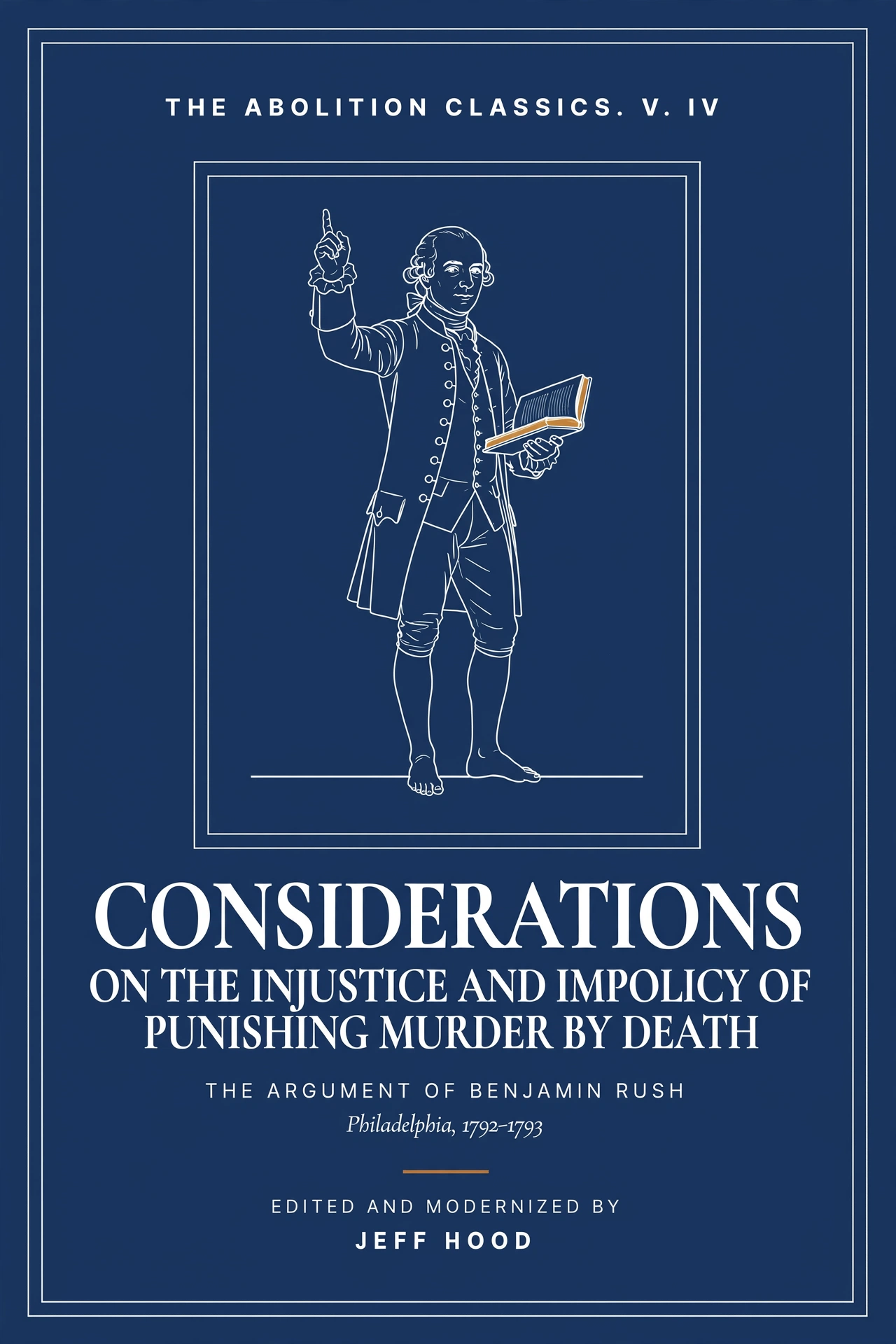
Considerations on the Injustice and Impolicy of Punishing Murder by Death cover

The Abolition Classics · V. IV

Considerations on the Injustice and Impolicy of Punishing Murder by Death

Benjamin Rush

Philadelphia, 1792–1793

Edited and modernized by Jeff Hood

Years before Beccaria and Pelli, the American physician and signer of the Declaration of Independence Benjamin Rush argued that the death penalty was unjust, impolitic, and contrary to the principles of a free republic.

Edited and modernized for contemporary readers, Considerations restores one of the earliest American arguments against capital punishment to the abolitionist canon.

1800 – 1875 · 12 volumes

The Age of Reform

Legislators, preachers, novelists, and the formerly enslaved built a movement.

The Opinions of Different Authors Upon the Punishment of Death cover

The Abolition Classics · V. VIII

The Opinions of Different Authors Upon the Punishment of Death

Basil Montagu

England, 1809–1813

Edited and modernized by Jeff Hood

Beginning in 1809, the lawyer and man of letters Basil Montagu set out to compile the case against capital punishment — not by arguing it himself, but by gathering the arguments of others into a single volume. The result was an anthology of sixty-two authors, from Beccaria and Blackstone to Johnson and Howard, that let the weight of many voices make the case no single voice could make alone.

Edited and modernized for contemporary readers, The Opinions of Different Authors restores one of the most quietly devastating arguments against the death penalty ever assembled to the abolitionist canon, free to read and download.

Observations on the Criminal Law of England cover

The Abolition Classics · V. VII

Observations on the Criminal Law of England

Sir Samuel Romilly

England, 1810

Edited and modernized by Jeff Hood

In 1810, Sir Samuel Romilly took on a criminal code that hanged men, women, and children for petty theft — and argued in Parliament and in print that a law which kills so easily loses both its justice and its power to deter.

Edited and modernized for contemporary readers, Observations on the Criminal Law of England brings the great English reformer's case against the gallows back into the abolitionist canon, free to read and download.

On the Punishment of Death cover

The Abolition Classics · V. XX

On the Punishment of Death

Percy Bysshe Shelley

England, 1815

Edited and modernized by Jeff Hood

Around 1815, Percy Bysshe Shelley — the poet whose politics were as radical as his verse — began an essay on capital punishment that he never finished. What survives is a fragment, and it is one of the sharpest short arguments against the gallows in the English language.

Shelley's case is not sentimental. He examines what a public killing does to the crowd that watches it, how the spectacle of the scaffold hardens rather than instructs, and how the state's claim to take life rests on a fiction of justice that cannot survive scrutiny. The fragment breaks off, but the reasoning does not.

Edited and modernized for contemporary readers, On the Punishment of Death: A Fragment enters the abolitionist canon as the unfinished argument of a poet who understood exactly what the rope was for, free to read and download.

Under Sentence of Death cover

The Abolition Classics · V. IX

Under Sentence of Death

Victor Hugo

Paris, 1829 (Reset in Iran, 2026)

Edited and modernized by Jeff Hood

In 1829, a twenty-seven-year-old Victor Hugo wrote a novel in the form of a diary kept by a man condemned to die — leaving his crime unnamed and his narrator unnamed on purpose, so that no reader could look away and say this does not concern me. It became one of the most powerful arguments against the death penalty ever written, and it has never stopped being read.

Reset in contemporary Iran — the country that executes more people than any on earth except China — this new edition preserves Hugo's structure and argument while carrying the action into Evin Prison, the Revolutionary Courts, and the dawn hangings that the Islamic Republic carries out in God's name. The mechanism is different, but the essential situation is identical: a human being processed by a legal system, sentenced to death, and left counting the remaining hours of his life.

Edited and modernized for contemporary readers, Under Sentence of Death returns Hugo's novel to the abolitionist canon as a living argument, free to read and download.

Argument Against Capital Punishment cover

The Abolition Classics · V. VI

Argument Against Capital Punishment

Edward Livingston

Louisiana, 1833

Edited and modernized by Jeff Hood

Drawn from his 1833 System of Penal Law prepared for the State of Louisiana, Edward Livingston built a rigorous philosophical case that the state has no right to kill its citizens — arguing from necessity, deterrence, and the irreparability of error.

Edited and modernized for contemporary readers, Argument Against Capital Punishment restores a foundational American abolitionist text to the public, free to read and download.

Report in Favor of the Abolition of the Punishment of Death by Law cover

The Abolition Classics · V. XII

Report in Favor of the Abolition of the Punishment of Death by Law

John L. O'Sullivan

New York, 1841

Edited and modernized by Jeff Hood

In 1841, the journalist and legislator John L. O'Sullivan submitted to the New York Assembly a report arguing that the state had no right to kill — a document so thorough in its use of scripture, statistics, and legal history that it became the most widely circulated abolitionist argument in nineteenth-century America.

O'Sullivan wrote as a lawmaker with the votes in front of him, answering every objection the gallows' defenders could raise and insisting that a republic which claims the consent of the governed cannot claim the power of death.

Edited and modernized for contemporary readers, the Report restores the founding document of American legislative abolition to the public, free to read and download.

Essays on the Punishment of Death cover

The Abolition Classics · V. X

Essays on the Punishment of Death

Charles Spear

Boston, 1844

Edited and modernized by Jeff Hood & Kat Bodrie

In 1844, the Boston reformer Charles Spear gathered into a single volume the case against the death penalty as it stood in the young American republic — drawing on scripture, reason, and the growing weight of European thought to argue that a nation founded on the rights of man could not rightly take the lives of its citizens.

Spear was not a philosopher writing from a study but an activist who spent his life among the condemned, visiting prisons and founding the Prisoners' Friend Society to bring aid to those society had discarded. His Essays carry the urgency of a man who knew the faces of the people he was writing to save.

Edited and modernized for contemporary readers, Essays on the Punishment of Death restores a foundational American abolitionist text to the public, free to read and download.

Thoughts on the Death Penalty cover

The Abolition Classics · V. XXII

Thoughts on the Death Penalty

Charles C. Burleigh

Philadelphia, 1845

Edited and modernized by Jeff Hood

In 1845, the abolitionist orator Charles C. Burleigh published a pamphlet arguing that no state which claims to be Christian or just can rightly put a person to death. Written in the same Philadelphia where the gallows still stood and the reform movement was finding its public voice, Thoughts on the Death Penalty is a short, plain-spoken case for abolition aimed at the reader in the pew and the voter at the polls.

Burleigh wrote as an agitator who had spent his life speaking against slavery and would not let the gallows stand while he still had breath to argue against it. His pamphlet carries the urgency of a man who understood that the case against capital punishment did not need to be long — it needed only to be said plainly, and said again until it could no longer be ignored.

Edited and modernized for contemporary readers, Thoughts on the Death Penalty restores Burleigh's pamphlet to the abolitionist canon, free to read and download.

Capital Punishment cover

The Abolition Classics · V. XXIII

Capital Punishment

Charles Dickens

London, 1846 (The Letters)

Edited and modernized by Jeff Hood

In February 1846, weeks after walking away from the editor's chair of the Daily News — a paper he had founded and quit in seventeen days — Charles Dickens sent his own editors the best argument the paper would print that year: a series of letters against the gallows, signed with the most valuable name in England.

Dickens wrote not as a theorist but as a witness. He had stood in the crowd of tens of thousands at the hanging of François Courvoisier outside Newgate, and he noticed what the press always recorded and never questioned: who shook hands with the condemned, and who never, ever, shook hands with the hangman. From the crowd at the scaffold to the case of Thomas Hocker — a young man who staged a murder for the fame of it — Dickens described the machinery the abolition movement now spends conferences studying, without needing a word of our vocabulary for it.

Edited and modernized for contemporary readers, Capital Punishment brings Dickens's 1846 letters into the abolitionist canon — close companion to the Burleigh volume that precedes it, written a year apart on opposite sides of the same ocean — free to read and download.

Capital Punishment Is a Mockery of Justice cover

The Abolition Classics · V. XXV

Capital Punishment Is a Mockery of Justice

Frederick Douglass

Rochester, 1858

Edited and modernized by Jeff Hood

In 1858, Frederick Douglass rose in Rochester to speak against the gallows. He had been a slave; he knew better than any man in the room what it meant for the state to claim ownership of a human life, and he refused to let that claim be laundered through a courtroom and a scaffold.

Douglass's address is not an appeal for sympathy toward the condemned. It is an indictment of a government that calls its own killing justice — a killing carried out over the objection of conscience, in a country that had already proved how easily law could be made to sanction the worst thing a people could do. He speaks of the sacredness of life as a matter of principle rather than sentiment, and turns the language of order and deterrence back on the men who use it.

Edited and modernized for contemporary readers, Capital Punishment Is a Mockery of Justice restores Douglass's Rochester address to the abolitionist canon, free to read and download.

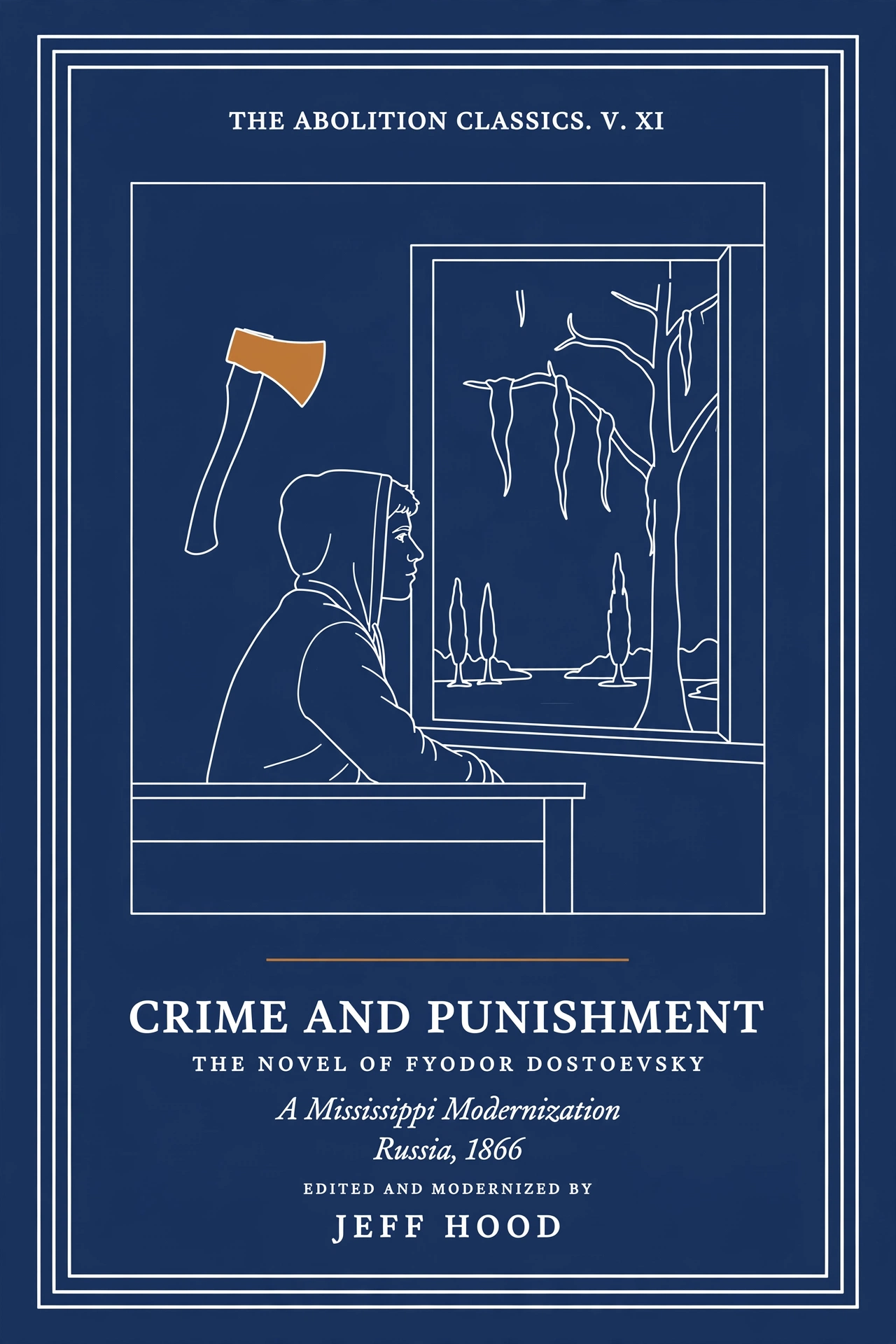
Crime and Punishment cover

The Abolition Classics · V. XI

Crime and Punishment

Fyodor Dostoevsky

Russia, 1866 (A Mississippi Modernization)

Edited and modernized by Jeff Hood

Dostoevsky's 1866 novel follows a young man who kills, reasons his way into believing he was entitled to, and then spends the rest of the book discovering that no argument survives what he has done. It remains the most searching account ever written of guilt, punishment, and the question of what a society owes the person who has taken a life.

Reset in the Mississippi Delta, this modernization keeps Dostoevsky's structure and moral argument while carrying the story into a place where the death penalty is still carried out — a young man at a kitchen table, an axe on the wall, and a state prepared to answer killing with killing.

Edited and modernized for contemporary readers, Crime and Punishment enters the abolitionist canon as the novel that refuses every easy account of justice, free to read and download.

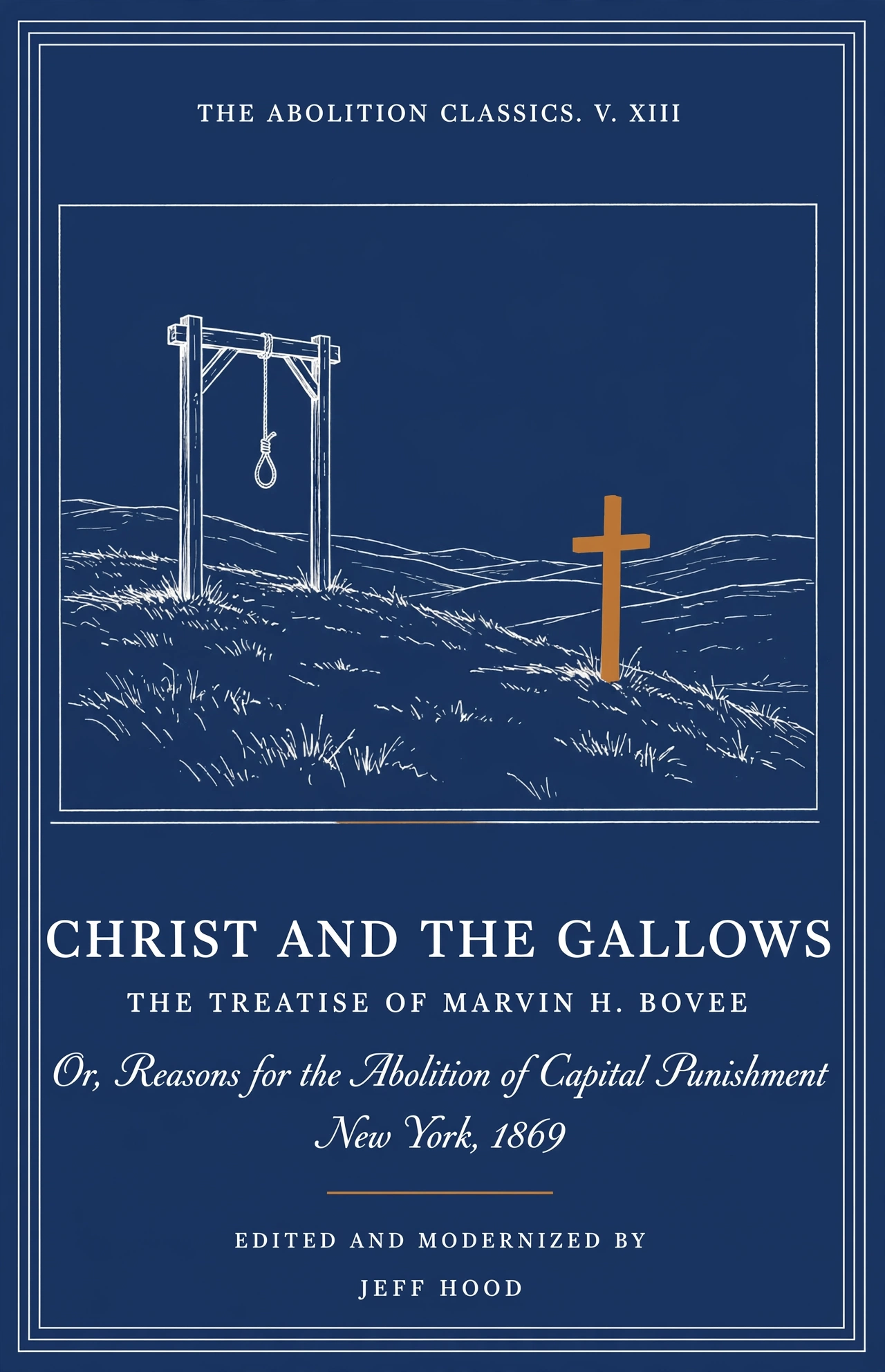
Christ and the Gallows cover

The Abolition Classics · V. XIII

Christ and the Gallows

Marvin H. Bovee

New York, 1869

Edited and modernized by Jeff Hood

In 1869, Marvin H. Bovee — a former Wisconsin state senator who had once argued for the death penalty and then changed his mind — gathered into a single volume the case against capital punishment as it stood in the decades after the Civil War, drawing on scripture, reason, and the growing weight of reform to argue that a nation that called itself Christian could not rightly carry out the killing the gospels forbade.

Bovee wrote as a convert to abolition, and his account carries the force of a man who had seen the machinery of death up close and could no longer reconcile it with the faith he professed. Christ and the Gallows became one of the most widely read American arguments against the death penalty in the nineteenth century.

Edited and modernized for contemporary readers, Christ and the Gallows restores Bovee's treatise to the abolitionist canon, free to read and download.

1876 – 1926 · 7 volumes

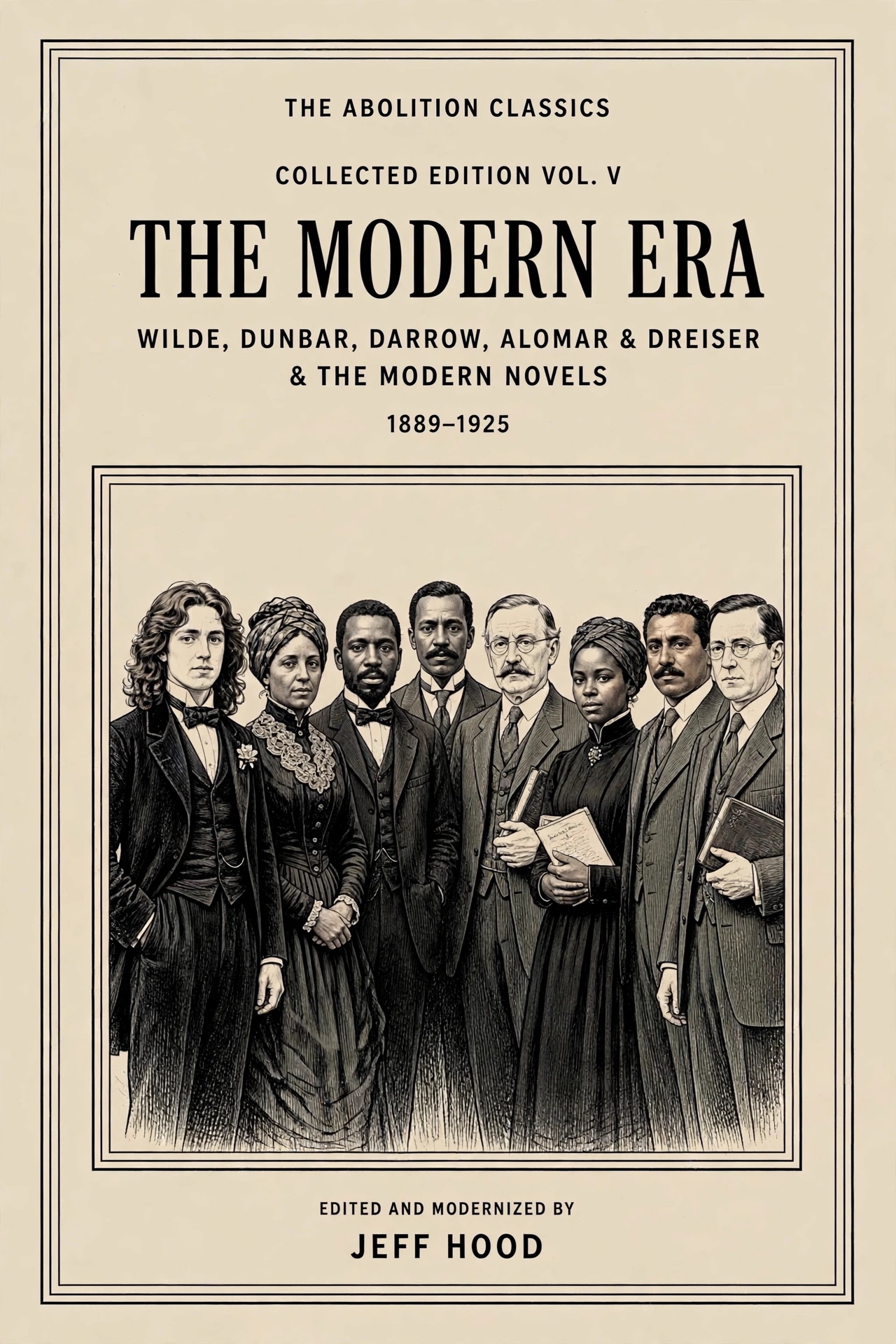
The Modern Era

The machinery of execution met the century that studied it.

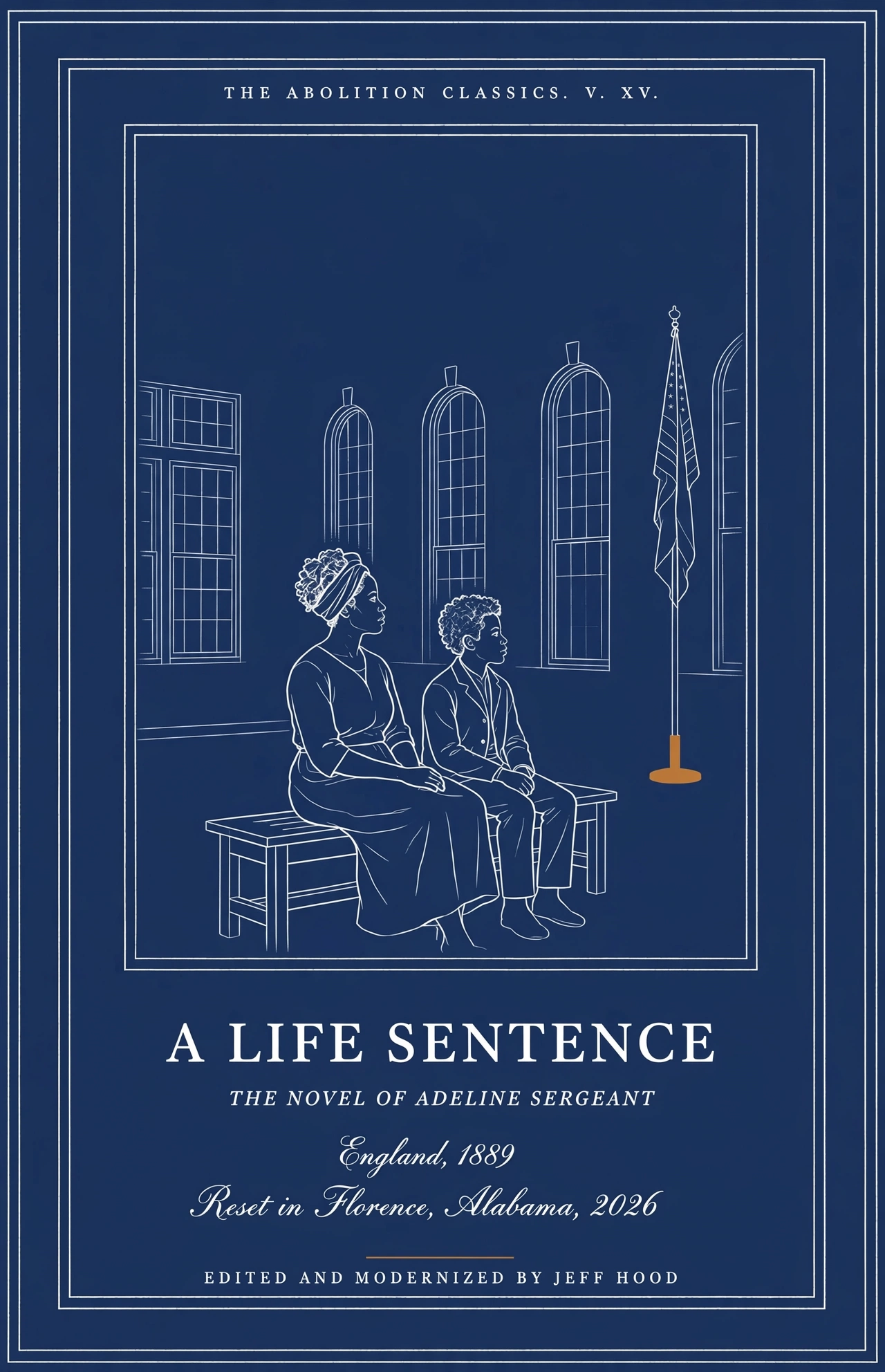
A Life Sentence cover

The Abolition Classics · V. XV

A Life Sentence

Adeline Sergeant

England, 1889 (Reset in Florence, Alabama, 2026)

Edited and modernized by Jeff Hood

In 1889, Adeline Sergeant published a novel about what happens when circumstantial evidence accumulates around a poor man with a bad reputation and becomes irresistible — about a community that needs someone to blame and finds one, about the man who knows the truth and stays silent because the truth would cost him everything, and about the child who bears her father's name into a world that has already decided what that name means.

Reset in Florence, Alabama — where the Tennessee River bends and the Shoals have always been a place where beauty and violence live close together — this modernization carries Sergeant's story into the Black Belt counties, the river towns, and the execution chamber at Holman Correctional Facility less than an hour south. The mechanism is different, but the life sentence that attaches to everyone connected to a crime is identical.

Edited and modernized for contemporary readers, A Life Sentence enters the abolitionist canon as a novel about the sentence that spreads outward from the courthouse like water from a stone dropped in the river — touching everyone, stopping for no one, running all the way to the bank.

The Ballad of Cummins Prison cover

The Abolition Classics · V. XVIII

The Ballad of Cummins Prison

Oscar Wilde

England, 1898 (After The Ballad of Reading Gaol; Reset in Grady, Arkansas, 2026)

Edited and modernized by Jeff Hood

In 1898, having emerged from two years of hard labor in Reading Gaol, Oscar Wilde published The Ballad of Reading Gaol — a long poem written in the voice of a man who watched another prisoner hang and could not shake the knowledge that the state had killed him in the name of justice. It became Wilde's last great work and one of the most powerful literary indictments of capital punishment ever written.

Reset in Grady, Arkansas — where Cummins Unit, the state's largest prison, has long sat at the center of the machinery that turns Black and poor lives into confinement and death — this modernization carries Wilde's ballad into a place where the execution chamber and the prison farm are never far apart. The mechanism is different, but the essential situation is identical: a man watching another man killed by the state, and the weight of that witness settling into verse.

Edited and modernized for contemporary readers, The Ballad of Cummins Prison enters the abolitionist canon as a poem that has never stopped asking what it costs to kill in the name of the law, free to read and download.

The Sport of the Gods cover

The Abolition Classics · V. XVI

The Sport of the Gods

Paul Laurence Dunbar

America, 1901 (Reset in Little Rock, Arkansas, 2026)

Edited and modernized by Jeff Hood

In 1901, Paul Laurence Dunbar — the first Black American novelist to be widely read by white audiences — published The Sport of the Gods, a novel about a Black family that leaves the rural South for the urban North only to find that the institutions awaiting them there are no less hostile, no less willing to imprison, and no less ready to turn a Black life into an example.

Reset in Little Rock, Arkansas — a city whose name still carries the weight of a school door a Black child was blocked from entering — this modernization carries Dunbar's story into a place where the machinery of punishment has never stopped running, where the question of who the law is for and who it is used against has never gone away. The mechanism is different, but the essential situation is identical: a family whose freedom is made into a spectacle.

Edited and modernized for contemporary readers, The Sport of the Gods enters the abolitionist canon as the first novel by a Black American writer to ask, in print, what a country owes the people it has made into its sport, free to read and download.

An Eye for an Eye cover

The Abolition Classics · V. XIV

An Eye for an Eye

Clarence Darrow

Chicago, 1905 (A St. Louis Modernization)

Edited and modernized by Jeff Hood

In 1905, Clarence Darrow — the most famous trial lawyer in America and a lifelong opponent of the death penalty — published a novella that turns the logic of retribution back on itself. An Eye for an Eye tells the story of a man who kills, not from malice but from the slow accumulation of circumstance, and asks whether a society that answers killing with killing can call itself just.

Reset in contemporary St. Louis, this modernization preserves Darrow's structure and moral argument while carrying the story into a city where the machinery of capital punishment still runs — a young man, a killing, and a state preparing to answer one death with another.

Edited and modernized for contemporary readers, An Eye for an Eye returns Darrow's novella to the abolitionist canon as a living argument, free to read and download.

The Death Penalty cover

The Abolition Classics · V. XXI

The Death Penalty

Gabriel Alomar

Barcelona, 1912 (La Pena de Mort)

Edited and modernized by Jeff Hood

In 1912, the Catalan writer and political thinker Gabriel Alomar delivered an address in Barcelona against the death penalty — La Pena de Mort — in a country where the garrote was still an instrument of the state and political executions were living memory.

Alomar speaks as a modernist and a republican, arguing that a society that keeps an executioner has not yet finished becoming a society. His address moves from the machinery of the scaffold to the civic imagination that tolerates it, and insists that abolition is not mercy granted to the condemned but a condition of a people's own freedom.

Edited and modernized for contemporary readers, The Death Penalty brings Alomar's Barcelona address into English for a wider readership, free to read and download.

Capital Punishment in the United States cover

The Abolition Classics · V. XVII

Capital Punishment in the United States

Raymond T. Bye

Philadelphia, 1919

Edited and modernized by Jeff Hood

In 1919, the University of Pennsylvania economist Raymond T. Bye published the first comprehensive academic study of the death penalty in the United States — a systematic examination of the arguments, the statistics, and the practice of capital punishment as it actually operated in the early twentieth-century republic.

Bye wrote as a scholar rather than a polemicist, assembling the evidence on deterrence, discrimination, error, and cost with the patience of a man who trusted that the facts would speak for themselves. His study became a foundational reference for every serious account of American capital punishment that followed it.

Edited and modernized for contemporary readers, Capital Punishment in the United States restores Bye's landmark study to the abolitionist canon, free to read and download.

An American Tragedy cover

The Abolition Classics · V. XIX

An American Tragedy

Theodore Dreiser

New York, 1925 (Reset in South Carolina, 2026)

Edited and modernized by Jeff Hood

In 1925, Theodore Dreiser published An American Tragedy, drawn from the 1906 killing of Grace Brown by Chester Gillette on Big Moose Lake and Gillette's execution at Auburn Prison two years later. Dreiser had spent twenty years collecting American cases in which a young man of no means killed a young woman who stood between him and money, and he counted at least fifteen. He did not call the book A Murder. He called it An American Tragedy, because the tragedy was never one boy and one lake — it was the machine, and the last thing the machine does is kill him.

This condensed modern edition keeps all three Books and all one hundred chapters in Dreiser's order, renders his prose in contemporary American English, and carries the story into the present. Dreiser's upstate New York becomes the mill country of South Carolina; the lakes take on the character of the Santee backwaters, and Roberta's letters are now her texts and voicemails, read to the jury alongside cell tower records and a search history recited into the record. This Clyde dies at Broad River Correctional Institution in Columbia, in front of a firing squad he chose from a form handed to him fourteen days out — the old electric chair still bolted to the floor of the same room.

Clyde Griffiths is guilty; the abolitionist case does not require an innocent man. What killing him accomplished was nothing — it did not return Roberta Alden, and it did not touch one of the conditions that produced him. Edited, condensed and reset by Jeff Hood, who has witnessed thirteen executions, this volume argues that the most damning pages in Dreiser are not the pages in the boat but the pages in the courthouse. Free to read and download.

More volumes are on the way. Browse the full catalogue →